North Texas Roofing Articles and Resources

The Apex Point Services roofing blog covers topics that matter to North Texas homeowners and property managers — from storm damage assessment and hail repair to roof replacement decisions, insurance documentation, and long-term maintenance. North Texas is one of the most demanding environments for roofing in the country, with active hail seasons, high winds, and intense summer heat putting roofs to the test every year.

Browse these articles to learn more about protecting your roof, understanding when repair versus replacement makes sense, and what to expect when you hire a roofing contractor in the Dallas-Fort Worth area. Have questions? Call Apex Point Services at (903) 513-3065 or contact us online.

Roofing Archives - Apex Point Services

Category: Roofing

Roof repair and replacement services for North Texas homeowners and businesses.

  • North Texas Storm Damage Roofing Guide for Homeowners

    North Texas Storm Damage Roofing Guide for Homeowners

    North Texas Storm Damage Roofing Guide for Homeowners

    Storm damage roofing in North Texas requires fast action, careful documentation, and a contractor who understands local weather patterns, insurance timelines, and code expectations. Apex Point Services serves Garland, Rockwall, Rowlett, Dallas, and surrounding DFW communities with roof inspections, repairs, and replacements after hail and wind events.
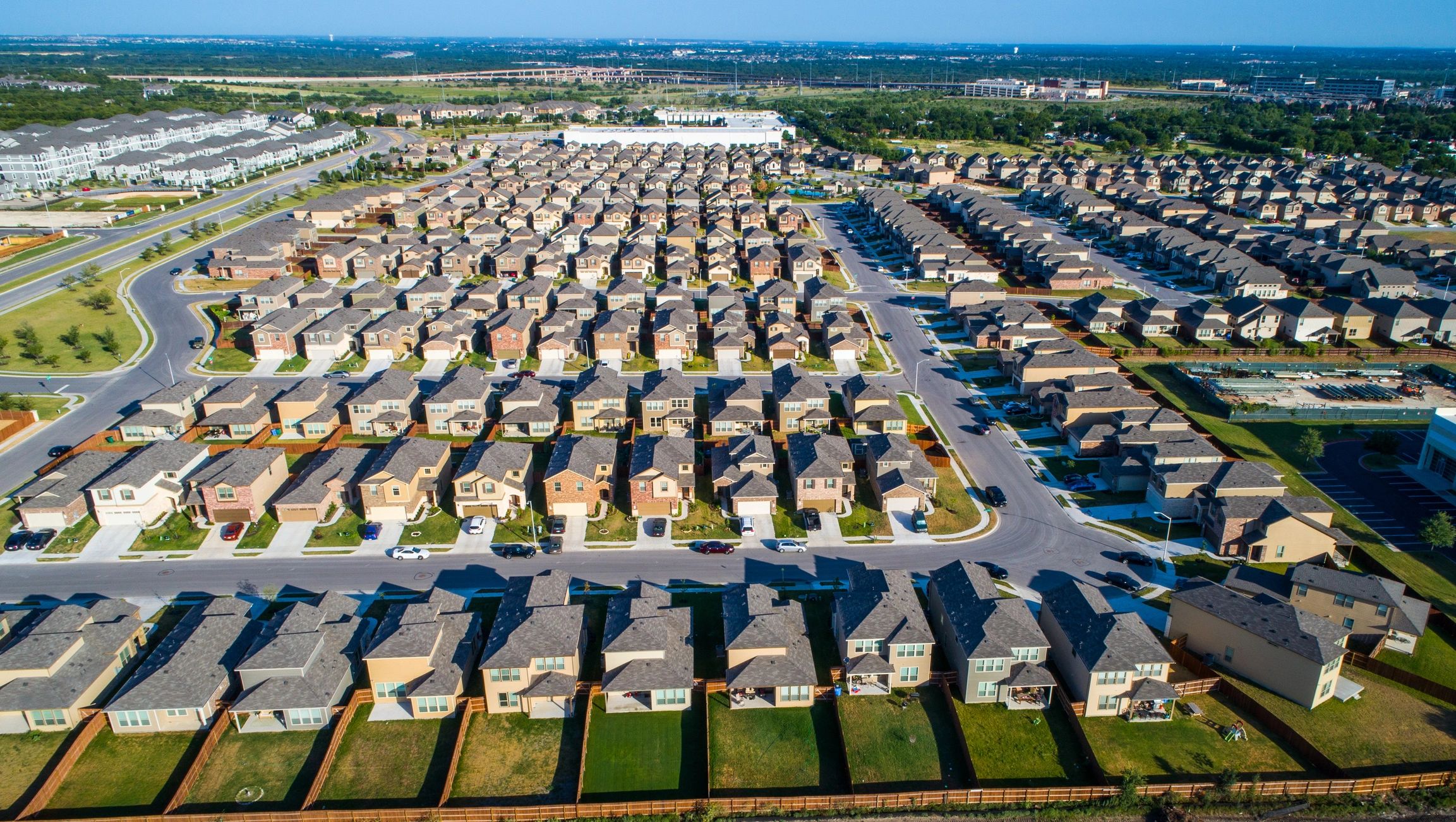
    North Texas residential rooftops viewed from above

    What North Texas homeowners should do first

    • Inspect from the ground and look for missing shingles, lifted tabs, dented gutters, and debris impact.
    • Check ceilings, attic spaces, and wall lines for water stains or active leaks.
    • Take date-stamped photos before temporary repairs or cleanup.
    • Schedule a professional roof inspection as soon as possible after hail or high winds.

    North Texas storms can damage shingles, flashing, vents, ridge caps, gutters, and roof decking. Some damage is obvious, but hail bruising and lifted shingles are often missed without a close inspection. If your neighborhood experienced a recent storm, it is smart to document conditions early even if leaks have not appeared yet.

    Signs your roof may have storm damage

    Common warning signs include missing shingles, cracked or bruised asphalt surfaces, exposed underlayment, dented metal components, granule loss in downspouts, and interior moisture staining. Homeowners should avoid climbing onto a damaged roof. A safer first step is to inspect visible areas from the ground and then have a qualified contractor confirm the extent of the damage.

    In North Texas, hail and wind damage often affects more than the shingle surface. Flashing, vents, ridge details, gutters, and attic ventilation should also be reviewed during a storm damage inspection.

    Insurance claims and documentation

    Most homeowners’ policies include deadlines for reporting storm damage, and those timelines vary by carrier and policy. File promptly, keep photos organized, and save any inspection notes or temporary repair receipts. For general consumer guidance, homeowners can review resources from the Texas Department of Insurance and preparedness information from the National Weather Service Fort Worth office.

    A written inspection summary from a local contractor can help clarify what was damaged, what may need immediate protection, and whether repair or replacement is the better path. Clear documentation also helps reduce confusion during adjuster visits and scope discussions.

    Residential roofing across a Texas neighborhood

    How to avoid storm chasers

    After major storms, out-of-area crews often move through DFW offering fast inspections and aggressive pricing. Homeowners should verify that any contractor has a local presence, proof of insurance, a written scope, and a clear warranty process. Be cautious with high-pressure sales tactics, vague contracts, or requests to sign immediately before you understand the scope of work.

    What a professional replacement should include

    A professional roof replacement should include property protection, material delivery planning, tear-off and disposal, deck review, installation details that align with manufacturer requirements, cleanup, and final walkthrough documentation. Homeowners should expect a written contract covering materials, ventilation considerations, estimated schedule, and warranty information.

    Why local experience matters

    Apex Point Services is a locally based, veteran-owned contractor serving Garland and the broader North Texas market. Our team understands regional hail patterns, neighborhood roofing conditions, and the importance of clear communication during storm recovery. We focus on practical inspections, documented findings, and workmanship that supports long-term roof performance.

    Helpful local roofing resources

    Schedule a storm damage inspection

    If your home was affected by hail, wind, or severe weather in North Texas, contact Apex Point Services for a professional inspection and next-step guidance. Call (903) 513-3065, email info@apexpointservices.com, or use our Free Estimate page to get started.

    About Apex Point Services

    Apex Point Services is a family-owned, veteran-owned general contractor serving North Texas. We provide roofing, remodeling, residential construction, commercial construction, and property improvements across Dallas-Fort Worth, Rockwall County, Collin County, Kaufman County, Hunt County, and surrounding communities.

    Our team is led by Roger Kirby, a U.S. Army veteran with over 20 years of hands-on construction experience. We built this company on the belief that clients deserve honest communication, organized project management, and quality workmanship — not just a low bid and a handshake.

    Ready to discuss your project? Call (903) 513-3065, email info@apexpointservices.com, or visit our Contact page to request a free estimate. We serve clients throughout North Texas and are happy to answer questions before you decide to move forward.

  • Storm Damage Repairs in North Texas: What to Do in the First 48 Hours

    Storm Damage Repairs in North Texas: What to Do in the First 48 Hours

    Storm Damage Repairs in North Texas: What to Do in the First 48 Hours

    North Texas gets hit hard. Hail, high winds, tornadoes, and flash flooding are regular events here — not rare ones. After a significant storm, what you do in the first 48 hours can mean the difference between a manageable insurance claim and catastrophic secondary damage. At Apex Point Services, we respond to storm damage repairs in North Texas throughout Garland, Mesquite, Rockwall, and the broader DFW area. This is the exact process we walk homeowners through when they call us after a storm.

    Step 1: Safety First Before Storm Damage Repairs in North Texas

    Before you step outside, confirm there are no downed power lines near your home. In North Texas, high-wind events frequently bring down distribution lines. Energized lines in wet conditions are immediately life-threatening. If you see downed lines, stay inside and call Oncor (or your local utility) before you call anyone else. Once the area is confirmed safe, look for structural damage from a distance before approaching any part of the home.

    Step 2: Document Everything Before Any Cleanup

    This step is where homeowners most often make costly mistakes. Before moving debris, covering damage, or beginning any cleanup, photograph and video every area of visible damage — exterior and interior. Get wide shots for context and close-ups for detail. Document the date and time in your footage. This documentation is your primary evidence for the insurance claim. Adjusters look at it carefully. If you clean up or cover damage before documenting it thoroughly, you may not be able to substantiate the full scope of your claim.

    Specifically document all of the following: any roof damage visible from the ground, damage to gutters and downspouts, broken windows, damaged siding or exterior cladding, water intrusion points inside the home, damage to HVAC equipment, and any structural movement or displacement. For more on how to assess storm damage to your roof specifically, see our guide on signs your North Texas roof needs replacing.

    Step 3: Implement Emergency Tarping to Prevent Further Damage

    Once you have documented the damage, your obligation under most homeowner’s insurance policies is to prevent further damage. This is called your “duty to mitigate.” If your roof has been breached and rain is forecast, you need a tarp in place. If a window is broken, it needs to be boarded. Failure to mitigate can give insurers grounds to deny secondary water damage claims. At Apex Point Services, we provide emergency tarping and board-up services throughout North Texas. This protects both the homeowner and the integrity of the claim.

    Step 4: File Your Storm Damage Insurance Claim Promptly

    Contact your insurance company within 24–48 hours of the storm event. Most policies have reporting requirements, and late reporting can complicate your storm damage repairs claim. When you call, have your policy number, the date and approximate time of the storm, a description of visible damage, and your documentation ready. Ask specifically: what is the claim number, who will be assigned as my adjuster, and what is the expected timeline for the initial inspection.

    The Texas Department of Insurance provides clear guidance on your rights as a policyholder in the storm damage claims process, including required response timelines for Texas insurers.

    Step 5: Get an Independent Contractor Assessment for Storm Damage Repairs

    This is the most valuable step most homeowners skip. Having an independent contractor assessment in hand before the insurance adjuster inspects your property gives you a documented second opinion. Insurance adjusters work for the insurer. A qualified contractor works for you. We provide written storm damage assessments that our clients can use during the claims process to ensure nothing is overlooked. This is particularly important for roof damage, where items like flashing damage, pipe boot damage, and ridge cap deterioration are easy for an untrained eye to miss but represent real storm damage repair costs.

    Apex Point Services: Storm Damage Repairs Across North Texas

    If your home was damaged in a recent storm, call Apex Point Services. We provide emergency response, thorough damage documentation, and complete storm damage repairs throughout Garland, Mesquite, Rowlett, Sachse, Wylie, and the broader North Texas area. We work directly with insurance adjusters and provide all documentation needed to support your claim.

  • Signs Your North Texas Roof Needs Replacing (Not Just Repairing): What We Look For

    Signs Your North Texas Roof Needs Replacing (Not Just Repairing): What We Look For

    Signs Your North Texas Roof Needs Replacing (Not Just Repairing): What We Look For

    North Texas is one of the hardest places in the country to own a roof. Between intense summer heat that cooks asphalt shingles from above, severe hailstorms that pound them from below, and the freeze-thaw cycles that crack flashing and seals, roofs in the DFW area take a beating. Knowing whether you need a repair or a full replacement can save you thousands — or cost you thousands if you get it wrong. Here’s what we look for when we do a roof inspection.

    1. Age of the Roof

    The first question we always ask is: how old is the roof? A standard 3-tab asphalt shingle roof has a lifespan of 15–20 years in North Texas climate conditions — less than the 25–30 years manufacturers advertise, because Texas heat accelerates aging. Architectural shingles last 20–25 years. Metal roofs can last 40–50 years. If your roof is within 5 years of the end of its expected lifespan and you’re dealing with a significant storm event or multiple leaks, replacement almost always makes more financial sense than repair.

    2. Granule Loss

    Asphalt shingles are coated with granules that protect the underlying mat from UV degradation. When you start seeing large amounts of granules collecting in your gutters or at the base of your downspouts, it means your shingles are losing their protective coating and deteriorating. Widespread granule loss is a replacement indicator — spot granule loss from hail impact may still be addressed with a partial repair or insurance claim for the affected sections.

    3. Curling, Buckling, or Cracked Shingles

    Shingles that are curling upward at the edges (cupping) or bowing upward in the middle (clawing) have reached the end of their useful life. This happens when the shingle mat dries out and shrinks from years of heat exposure. Cracked shingles from thermal cycling are another sign. If curling or cracking affects more than 20–25% of your roof surface, replacement is the right call. Spot repairs on a curling roof are a short-term fix at best.

    4. Hail Damage

    Garland and the surrounding DFW area sit in one of the most hail-prone regions in the United States. Hail damage on asphalt shingles shows up as soft spots (bruising), broken granule patterns, cracked shingles, and dented metal components like vents, caps, and gutters. The critical thing to understand is that hail damage isn’t always visible from the ground — it often looks fine from the street but is catastrophically damaged up close. After any significant hail event, get a professional inspection. Many homeowners insurance policies have specific filing windows after storm events, and missing that window can cost you a full replacement claim.

    5. Sagging Roof Deck

    A sagging or uneven roof deck is a structural issue that goes beyond shingles. It typically indicates rot in the decking boards, failed or missing roof supports, or long-term moisture intrusion that has compromised the underlying structure. A sagging roof is not a repair situation — it requires immediate attention and almost always involves a full replacement, potentially including structural repairs to the deck and rafters. This is one sign that should never be ignored or deferred.

    6. Flashing Failures

    Flashing is the metal that seals roof transitions — around chimneys, skylights, vents, and where the roof meets a wall. Failed flashing is one of the most common sources of roof leaks in North Texas. On an older roof, flashing failures are usually a sign that the whole roof system is degrading and replacement is approaching. On a newer roof, flashing repair alone may solve the problem. We check every flashing point during an inspection and note whether it looks like an isolated issue or part of a broader pattern of deterioration.

    7. Interior Water Stains or Attic Moisture

    Water stains on ceilings or walls, mold in the attic, or daylight visible through the roof decking from inside the attic are all signs of active moisture intrusion. Get on top of this quickly — water damage spreads fast, and what starts as a roof problem can become a structural problem, an insulation problem, and a mold remediation problem in a short period of time. We always inspect the attic as part of a full roof assessment.

    Repair vs. Replace: Our Rule of Thumb

    If the repair cost exceeds 30% of the replacement cost, or if the roof is within 5 years of end-of-life, we almost always recommend replacement. Continuing to repair an aging roof is like putting new tires on a car that needs an engine — it delays the inevitable and costs more in the long run. A new roof is also a significant home value add and gives you 20+ years of protection under warranty.

    Get a Free Roof Inspection in North Texas

    Apex Point Services provides free, no-obligation roof inspections throughout Garland, Rowlett, Rockwall, McKinney, Mesquite, and the wider DFW area. We’ll give you an honest assessment — repair or replace — and walk you through your options. Schedule your free inspection today.

  • Roof Repair or Roof Replacement in North Texas: How to Decide

    Roof Repair or Roof Replacement in North Texas: How to Decide

    Roof Repair or Roof Replacement in North Texas: How to Decide

    Roof Repair or Replacement in North Texas: Start With the Condition

    Property owners across North Texas often face the same critical question after storm damage, leaks, or visible wear: is roof repair or replacement in North Texas the right call? The answer depends on the age of the system, the extent of damage, and the long-term performance needs of the property.

    In many cases, a targeted repair is the right solution when the issue is limited to a specific area. A full replacement may make more sense when the roof has repeated problems, aging materials, or broader structural concerns.

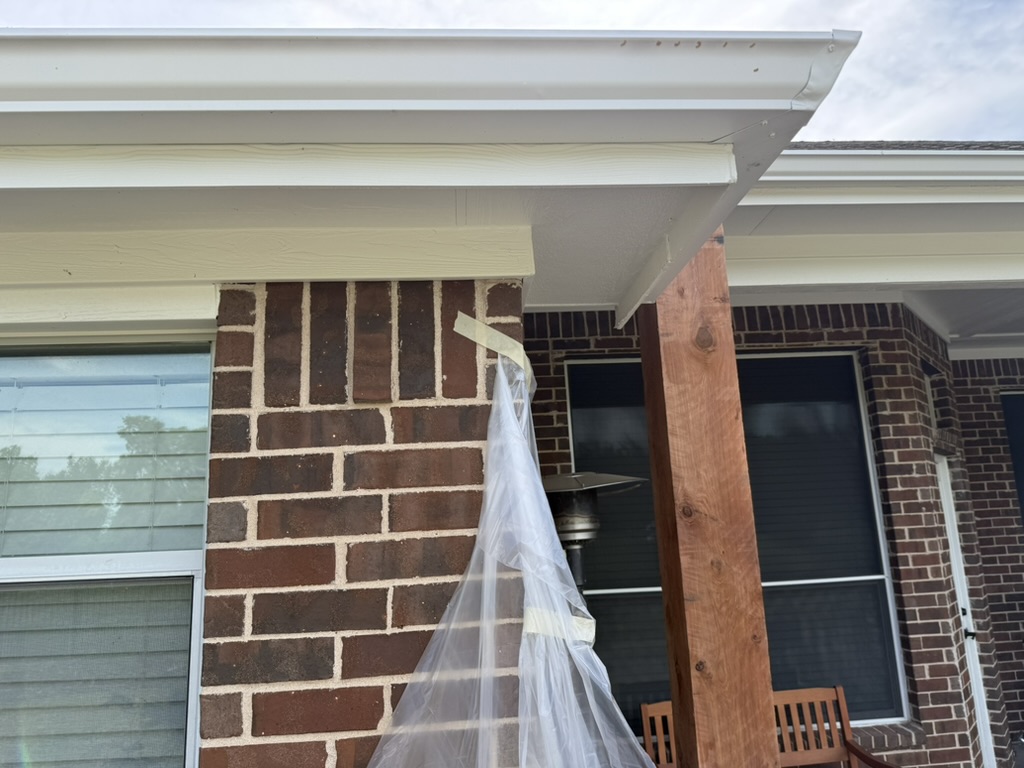
    Roofline, soffit, and gutter detail representing Apex Point Services roofing and exterior repair services in Greenville, Texas

    When a Repair May Be Enough

    • A small area of missing or damaged roofing material
    • A localized leak with a known source
    • Minor flashing or gutter-related issues
    • A roof that is otherwise in solid condition

    When Replacement May Be Smarter

    • The roof is nearing the end of its service life
    • Damage appears in multiple areas
    • Leaks keep returning after prior repairs
    • Storm exposure has affected overall performance

    Texas weather can be hard on roofing systems. Wind, hail, heat, and seasonal storms can all shorten the life of roofing materials or expose weak points that were not obvious before.

    Why a Local Assessment Matters for Roof Repair or Replacement in North Texas

    A local roofing contractor can evaluate not just the visible damage, but also how North Texas weather patterns — including hail, wind, and summer heat — affect your specific roofing system. According to the NRCA, a professional inspection is the most reliable way to determine whether repair or replacement is the right investment.

    Learn more about our Roofing services, or visit our Dallas and Rockwall pages if you are looking for service in those areas.

    A good roofing recommendation should be based on condition, long-term value, and what best protects the property, not on a one-size-fits-all sales pitch.

    Talk Through Your Options

    Apex Point Services helps North Texas property owners make practical roofing decisions based on real project conditions. If you need help evaluating roof damage or planning next steps, contact our team for guidance.