
Author: Roger Kirby

  • How to Hire a Commercial General Contractor in North Texas: A Business Owner’s Guide

    How to Hire a Commercial General Contractor in North Texas: A Business Owner’s Guide

    How to Hire a Commercial General Contractor in North Texas: A Business Owner’s Guide

    Hiring a commercial general contractor is one of the most consequential decisions you’ll make for your business. The right contractor delivers your project on time, on budget, and to specification. The wrong one can leave you with cost overruns, legal disputes, and a building that doesn’t meet code. This guide walks you through the full hiring process — from initial vetting to contract signing — so you can make a confident, informed choice.

    Before hiring a contractor, it’s worth making sure your project is properly planned. Our commercial construction planning guide for North Texas businesses covers budgeting, permitting, scheduling, and everything else that needs to be locked down before the first shovel hits the ground.

    Step 1: Define Your Project Requirements

    Before you reach out to a single contractor, have a clear written scope of work. Know your square footage, intended use, required finishes, timeline, and budget range. Contractors bid what you give them — vague scopes produce vague bids, which lead to change orders and disputes. The more detailed your requirements, the more accurate and comparable your bids will be.

    Step 2: Verify Licensing, Insurance, and Bonding

    Texas does not require a general state contractor license, but commercial contractors must be licensed for specialty trades (electrical, plumbing, HVAC, fire suppression). Ask every contractor you consider for the following documentation before going further:

    • Certificate of general liability insurance (minimum $1M per occurrence for most commercial projects)
    • Workers’ compensation insurance certificate
    • Proof of specialty trade licenses for any in-house trade work
    • Surety bond (required for many public projects and preferred for large private projects)

    Request certificates naming you as an additional insured. A contractor who can’t produce these documents in 24 hours should not be on your shortlist.

    Step 3: Evaluate Their Commercial Track Record

    Commercial construction experience is not the same as residential experience. Ask specifically about commercial projects similar to yours — same building type, similar square footage, comparable budget. Ask for a portfolio and request to visit a recently completed project if possible. Talk to the building owners directly. Key questions to ask references include: Did the project finish on time? Was the final cost close to the original bid? How did the contractor handle problems when they arose? Would you hire them again?

    Step 4: Understand Their Subcontractor Network

    On most commercial projects, the general contractor manages a team of subcontractors for specialized trades. Ask who their regular subs are for electrical, mechanical, plumbing, and concrete work. Established, long-term subcontractor relationships are a strong sign of a well-run operation. Contractors who constantly use new or unfamiliar subs often do so because their reputation has burned bridges — which is a warning sign. Ask whether subs are licensed and whether the GC carries subcontractor default insurance on larger projects.

    Step 5: Get Detailed Written Bids and Compare Them Properly

    Get at least three detailed written bids. A proper commercial bid should include a full line-item cost breakdown, materials specifications, project schedule with milestones, payment schedule tied to completion milestones, and exclusions clearly listed. Compare bids line by line — not just the total. A significantly lower bid usually means something is excluded, a lower-quality material is specified, or the contractor is planning to make up the difference in change orders. The goal is the most complete and accurate bid, not the cheapest number.

    Step 6: Review the Contract Thoroughly

    A commercial construction contract should cover: full scope of work, start and completion dates with milestone schedule, payment terms tied to verified progress, a defined change order process, lien waiver requirements, warranty terms for both labor and materials, dispute resolution procedures, and termination clauses. In Texas, the construction lien process is strict — understand your obligations and rights before signing. If the contractor balks at any of these standard provisions, that’s a red flag. Consider having a construction attorney review the contract for any project over $100,000.

    Step 7: Establish Communication Expectations from Day One

    Define how you want to communicate before the project starts: weekly written progress reports, a designated point of contact, a protocol for submitting and approving change orders, and a schedule for site walkthroughs. The best commercial contractors proactively over-communicate — they tell you about problems before you discover them. If a contractor is slow to communicate or defensive when asked questions during the bidding process, that behavior will only get worse once they’re under contract and your money is committed.

    Ready to Get Started?

    Apex Point Services handles commercial construction projects throughout the Dallas–Fort Worth area, including Garland, Rockwall, McKinney, Mesquite, and surrounding communities. We’re fully licensed, insured, and experienced in a wide range of commercial project types. Contact us for a free consultation and let’s talk about your project.
  • Signs Your North Texas Roof Needs Replacing (Not Just Repairing): What We Look For

    Signs Your North Texas Roof Needs Replacing (Not Just Repairing): What We Look For

    Signs Your North Texas Roof Needs Replacing (Not Just Repairing): What We Look For

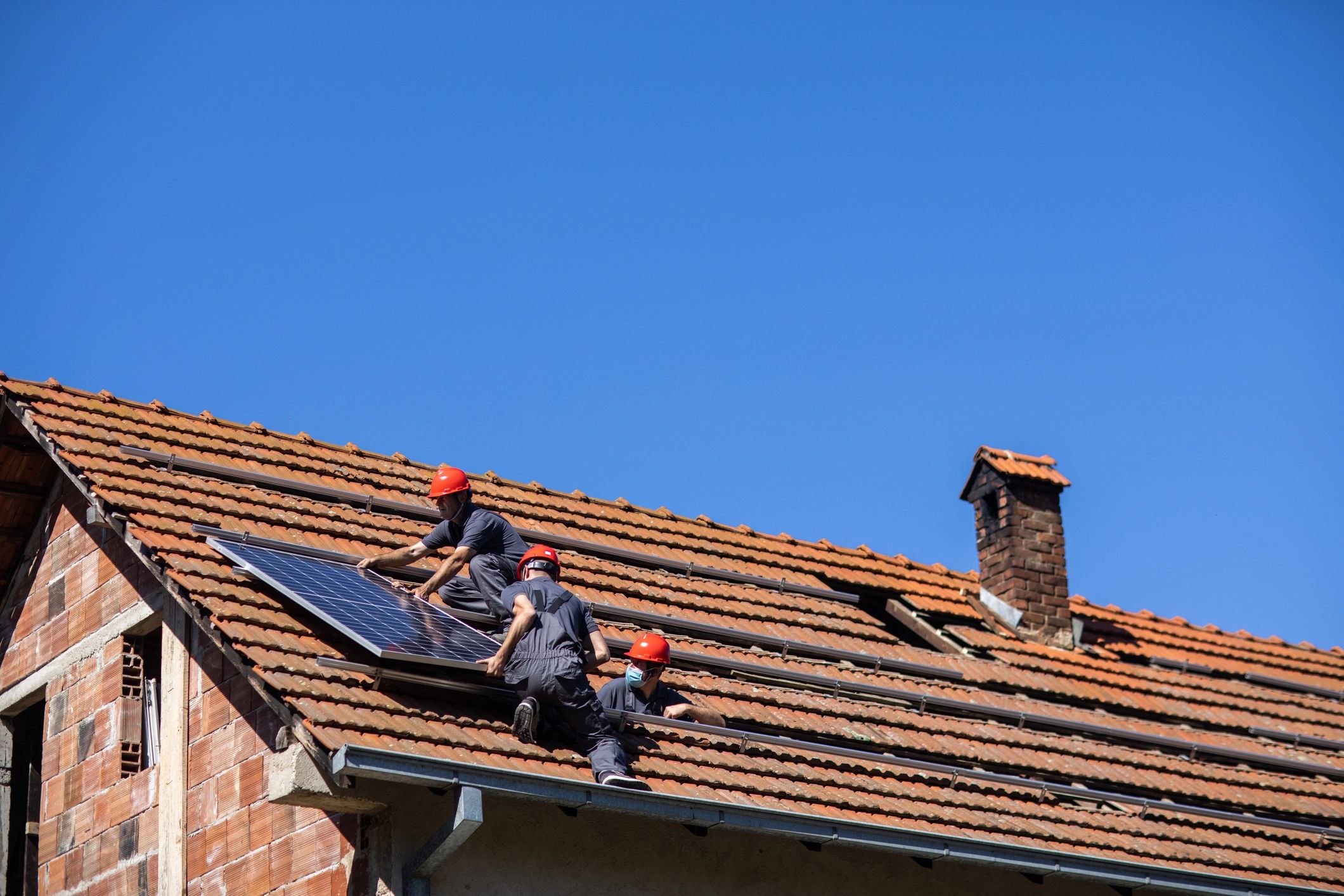
    North Texas is one of the hardest places in the country to own a roof. Between intense summer heat that cooks asphalt shingles from above, severe hailstorms that pound them from below, and the freeze-thaw cycles that crack flashing and seals, roofs in the DFW area take a beating. Knowing whether you need a repair or a full replacement can save you thousands — or cost you thousands if you get it wrong. Here’s what we look for when we do a roof inspection.

    1. Age of the Roof

    The first question we always ask is: how old is the roof? A standard 3-tab asphalt shingle roof has a lifespan of 15–20 years in North Texas climate conditions — less than the 25–30 years manufacturers advertise, because Texas heat accelerates aging. Architectural shingles last 20–25 years. Metal roofs can last 40–50 years. If your roof is within 5 years of the end of its expected lifespan and you’re dealing with a significant storm event or multiple leaks, replacement almost always makes more financial sense than repair.

    2. Granule Loss

    Asphalt shingles are coated with granules that protect the underlying mat from UV degradation. When you start seeing large amounts of granules collecting in your gutters or at the base of your downspouts, it means your shingles are losing their protective coating and deteriorating. Widespread granule loss is a replacement indicator — spot granule loss from hail impact may still be addressed with a partial repair or insurance claim for the affected sections.

    3. Curling, Buckling, or Cracked Shingles

    Shingles that are curling upward at the edges (cupping) or bowing upward in the middle (clawing) have reached the end of their useful life. This happens when the shingle mat dries out and shrinks from years of heat exposure. Cracked shingles from thermal cycling are another sign. If curling or cracking affects more than 20–25% of your roof surface, replacement is the right call. Spot repairs on a curling roof are a short-term fix at best.

    4. Hail Damage

    Garland and the surrounding DFW area sit in one of the most hail-prone regions in the United States. Hail damage on asphalt shingles shows up as soft spots (bruising), broken granule patterns, cracked shingles, and dented metal components like vents, caps, and gutters. The critical thing to understand is that hail damage isn’t always visible from the ground — it often looks fine from the street but is catastrophically damaged up close. After any significant hail event, get a professional inspection. Many homeowners insurance policies have specific filing windows after storm events, and missing that window can cost you a full replacement claim.

    5. Sagging Roof Deck

    A sagging or uneven roof deck is a structural issue that goes beyond shingles. It typically indicates rot in the decking boards, failed or missing roof supports, or long-term moisture intrusion that has compromised the underlying structure. A sagging roof is not a repair situation — it requires immediate attention and almost always involves a full replacement, potentially including structural repairs to the deck and rafters. This is one sign that should never be ignored or deferred.

    6. Flashing Failures

    Flashing is the metal that seals roof transitions — around chimneys, skylights, vents, and where the roof meets a wall. Failed flashing is one of the most common sources of roof leaks in North Texas. On an older roof, flashing failures are usually a sign that the whole roof system is degrading and replacement is approaching. On a newer roof, flashing repair alone may solve the problem. We check every flashing point during an inspection and note whether it looks like an isolated issue or part of a broader pattern of deterioration.

    7. Interior Water Stains or Attic Moisture

    Water stains on ceilings or walls, mold in the attic, or daylight visible through the roof decking from inside the attic are all signs of active moisture intrusion. Get on top of this quickly — water damage spreads fast, and what starts as a roof problem can become a structural problem, an insulation problem, and a mold remediation problem in a short period of time. We always inspect the attic as part of a full roof assessment.

    Repair vs. Replace: Our Rule of Thumb

    If the repair cost exceeds 30% of the replacement cost, or if the roof is within 5 years of end-of-life, we almost always recommend replacement. Continuing to repair an aging roof is like putting new tires on a car that needs an engine — it delays the inevitable and costs more in the long run. A new roof is also a significant home value add and gives you 20+ years of protection under warranty.

    Get a Free Roof Inspection in North Texas

    Apex Point Services provides free, no-obligation roof inspections throughout Garland, Rowlett, Rockwall, McKinney, Mesquite, and the wider DFW area. We’ll give you an honest assessment — repair or replace — and walk you through your options. Schedule your free inspection today.

  • How Much Does a Kitchen Remodel Cost in Dallas-Fort Worth? A Contractor’s Honest Breakdown

    How Much Does a Kitchen Remodel Cost in Dallas-Fort Worth? A Contractor’s Honest Breakdown

    How Much Does a Kitchen Remodel Cost in Dallas-Fort Worth? A Contractor’s Honest Breakdown

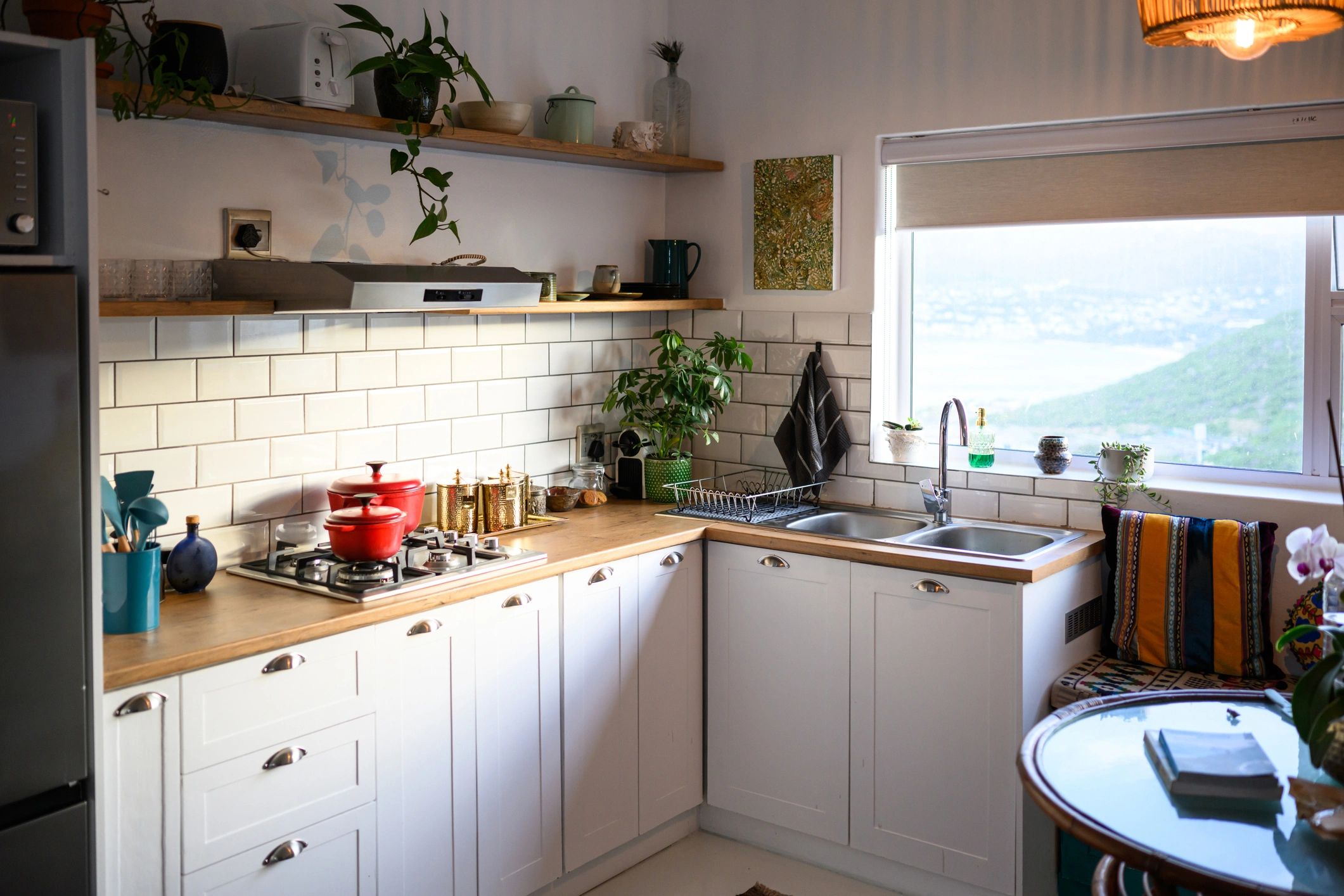
    One of the first questions homeowners ask us at Apex Point Services is: “What is this actually going to cost me?” After completing dozens of kitchen remodels across the Dallas-Fort Worth area, we’ve seen projects range from $28,000 for a focused refresh to well over $90,000 for a full custom renovation. The difference comes down to scope, materials, and what we find behind the walls.

    This guide gives you a contractor’s honest breakdown of kitchen remodel cost in Dallas-Fort Worth — not a range pulled from a national website that has never set foot in a Garland, TX home. These are real numbers from real DFW projects.

    Average Kitchen Remodel Cost in Dallas-Fort Worth

    Based on our project history, here is what homeowners in the DFW metroplex typically invest at each tier:

    • Minor refresh (paint, hardware, backsplash, fixtures): $8,000–$18,000
    • Mid-range remodel (new cabinets, countertops, appliances, flooring): $28,000–$55,000
    • High-end or full custom remodel: $60,000–$100,000+

    These figures are specific to North Texas. Labor costs here tend to run 10–15% lower than national averages, but material costs — particularly for premium stone and custom cabinetry — are comparable to the rest of the country.

    Where Your Kitchen Remodel Budget Actually Goes in DFW

    On a typical mid-range kitchen remodel in Dallas-Fort Worth, here is how the budget breaks down across trades and materials:

    • Cabinets: 25–35% of total budget. Semi-custom cabinets from Texas-based suppliers typically run $8,000–$20,000 installed. Full custom starts at $20,000.
    • Labor: 20–30%. This covers demo, carpentry, tile work, electrical, plumbing rough-ins, and finish work. In DFW, skilled trade labor runs $65–$120 per hour depending on specialty.
    • Countertops: 10–15%. Quartz (the most popular choice in DFW right now) runs $80–$140 per square foot installed. Granite is comparable. Laminate drops to $30–$50.
    • Appliances: 10–15%. A mid-range appliance package (refrigerator, range, dishwasher, microwave) typically runs $4,000–$8,000. High-end brands like Wolf or Sub-Zero can add $15,000 or more.
    • Flooring: 5–10%. Tile is the most durable choice for DFW kitchens given the humidity and heat cycling. Expect $6–$14 per square foot installed.
    • Plumbing and electrical: 5–10%. If you are moving the sink, adding a gas line for a range, or upgrading to a 200-amp panel, costs rise significantly.
    • Permits and inspections: 1–3%. In Garland and surrounding DFW municipalities, kitchen permits typically run $300–$800 depending on the scope of work.

    What Drives Kitchen Remodel Costs Up — From Our Experience

    In our work across Dallas-Fort Worth, the single biggest cost driver is what we call a “scope expansion” — discoveries made during demolition that change the plan. In older DFW homes (1960s–1980s), we regularly encounter outdated galvanized plumbing, aluminum wiring, or asbestos-containing floor tiles. These discoveries are not rare. In fact, on roughly 40% of our kitchen remodels in older homes, we encounter at least one condition that requires remediation before we can proceed.

    Other common cost drivers include: moving the kitchen layout (which relocates plumbing and electrical rough-ins), adding a kitchen island where none existed, upgrading ventilation to meet current code, and increasing the lighting plan beyond the original scope. For more on planning your full renovation, see our guide on what to expect during a kitchen remodel in Dallas-Fort Worth.

    How to Budget Accurately for a DFW Kitchen Remodel

    Our recommendation: build a 15–20% contingency into your budget before you sign any contract. This is not padding for the contractor — it is your protection against the unexpected. We tell every homeowner this upfront. The clients who have a contingency built in experience far less stress when surprises arise mid-project.

    Additionally, get at least three itemized bids. A bid that is significantly lower than others almost always means something has been excluded — either a trade (like a licensed electrician) has been left out, or inferior materials have been substituted. The National Kitchen & Bath Association provides guidance on evaluating contractor bids and specifications.

    Ready to Get a Real Number for Your Kitchen?

    At Apex Point Services, we provide detailed, itemized estimates — not ballpark ranges. We walk through your kitchen, discuss your goals, and give you a written scope of work before you commit to anything. We serve homeowners throughout Garland, Plano, McKinney, Frisco, Mesquite, and the broader Dallas-Fort Worth area. Contact us today to schedule your free kitchen remodel consultation.

  • Roof Repair or Roof Replacement in North Texas: How to Decide

    Roof Repair or Roof Replacement in North Texas: How to Decide

    Roof Repair or Roof Replacement in North Texas: How to Decide

    Roof Repair or Replacement in North Texas: Start With the Condition

    Property owners across North Texas often face the same critical question after storm damage, leaks, or visible wear: is roof repair or replacement in North Texas the right call? The answer depends on the age of the system, the extent of damage, and the long-term performance needs of the property.

    In many cases, a targeted repair is the right solution when the issue is limited to a specific area. A full replacement may make more sense when the roof has repeated problems, aging materials, or broader structural concerns.

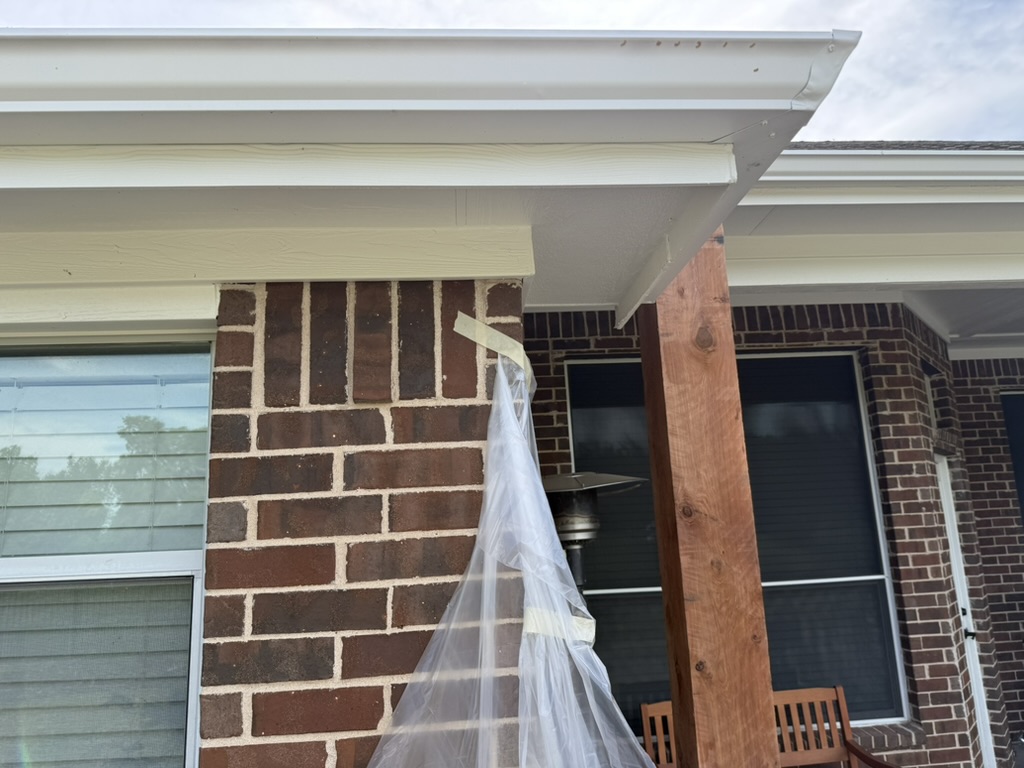
    Roofline, soffit, and gutter detail representing Apex Point Services roofing and exterior repair services in Greenville, Texas

    When a Repair May Be Enough

    • A small area of missing or damaged roofing material
    • A localized leak with a known source
    • Minor flashing or gutter-related issues
    • A roof that is otherwise in solid condition

    When Replacement May Be Smarter

    • The roof is nearing the end of its service life
    • Damage appears in multiple areas
    • Leaks keep returning after prior repairs
    • Storm exposure has affected overall performance

    Texas weather can be hard on roofing systems. Wind, hail, heat, and seasonal storms can all shorten the life of roofing materials or expose weak points that were not obvious before.

    Why a Local Assessment Matters for Roof Repair or Replacement in North Texas

    A local roofing contractor can evaluate not just the visible damage, but also how North Texas weather patterns — including hail, wind, and summer heat — affect your specific roofing system. According to the NRCA, a professional inspection is the most reliable way to determine whether repair or replacement is the right investment.

    Learn more about our Roofing services, or visit our Dallas and Rockwall pages if you are looking for service in those areas.

    A good roofing recommendation should be based on condition, long-term value, and what best protects the property, not on a one-size-fits-all sales pitch.

    Talk Through Your Options

    Apex Point Services helps North Texas property owners make practical roofing decisions based on real project conditions. If you need help evaluating roof damage or planning next steps, contact our team for guidance.

  • Commercial Construction Planning Tips for North Texas Businesses

    Commercial Construction Planning Tips for North Texas Businesses

    Commercial Construction Planning Tips for North Texas Businesses

    Planning a commercial construction project in North Texas requires more than just a blueprint and a budget. From navigating city permit offices in Garland and Rockwall to managing the unpredictable Texas weather, successful commercial builds depend on thorough upfront planning. Here’s what every North Texas business owner needs to know before breaking ground.

    1. Define Your Project Scope Clearly Before Anything Else

    Vague project scopes are the single biggest driver of budget overruns and delays. Before you contact a contractor or apply for a permit, document exactly what you need: square footage, intended use, required utilities, parking requirements, accessibility standards, and any special-use considerations. The more precise your scope, the more accurate your bids will be — and the fewer expensive change orders you’ll face mid-project.

    2. Understand North Texas Permitting Requirements

    Commercial permitting in North Texas varies significantly by city. Garland, Rockwall, Mesquite, and McKinney each have their own building departments, inspection schedules, and fee structures. Some cities require pre-application meetings for projects over a certain size. Plan for 4–8 weeks for permit approval on most commercial projects, and longer for anything involving zoning variances or fire marshal review. A local contractor with established relationships in these offices can significantly speed up this process.

    3. Build a Realistic Budget with a Contingency

    Commercial construction budgets should always include a contingency of 10–15% for unexpected conditions — especially in North Texas, where clay soil can create foundation surprises and summer heat can affect material schedules and labor productivity. Get detailed line-item bids from at least three contractors. Factor in soft costs like architectural drawings, engineering reports, permit fees, utility connections, and furnishings — these are commonly underestimated and can add 15–25% to your hard construction costs.

    4. Plan Around the Texas Climate

    North Texas summers are brutal for construction crews and materials alike. Concrete pours, roofing installations, and exterior painting all have temperature and humidity constraints. Spring brings severe storms and hail, which can damage materials stored on-site and delay exterior work. Experienced North Texas contractors build weather buffers into their schedules — if yours doesn’t, push back. A realistic schedule accounts for Texas weather, not a best-case scenario.

    5. Choose the Right Site

    Site selection directly impacts construction cost and complexity. In North Texas, key factors include soil type (expansive clay is common in much of Dallas and Rockwall County), flood zone designation, utility availability, traffic access, and zoning classification. A Phase I environmental assessment is standard practice for any commercial site purchase. Skipping it can expose you to contamination liability that exceeds the value of the land.

    6. Vet Your General Contractor Carefully

    Your general contractor is the single most important hiring decision you’ll make on a commercial project. Look for demonstrated experience with projects similar to yours in size and type, strong subcontractor relationships in the North Texas market, and a track record of on-time, on-budget delivery. Once you’ve done your planning, the next step is selecting the right contractor for the job. Our guide on how to hire a commercial general contractor in North Texas walks through the full vetting process — from checking licenses and insurance to reviewing bids and negotiating contracts.

    7. Communicate Constantly During Construction

    The most successful commercial construction projects have one thing in common: an owner who stays engaged. Schedule weekly progress meetings, require written updates on any schedule changes, and insist on a clear change order process before work starts. Decisions get made faster, problems get surfaced earlier, and your contractor stays accountable when you’re a visible and informed presence throughout the build.

    Start Your North Texas Commercial Project Right

    Apex Point Services specializes in commercial construction and tenant improvements throughout the Dallas–Fort Worth area. We work with business owners, property managers, and developers to deliver commercial projects on time and on budget. Contact us for a free project consultation — we’d love to hear about your build.

  • Why Local Service Area Pages Matter for Construction Projects in North Texas

    Why Local Service Area Pages Matter for Construction Projects in North Texas

    Why Local Service Area Pages Matter for Construction Projects in North Texas

    Why Service Area Pages in North Texas Help Clients Find the Right Contractor

    When homeowners and businesses search for a contractor, they often include the city or area they live in. That is why service area pages in North Texas matter — they connect the right people with the right local expertise.

    For Apex Point Services, local pages are not just about search visibility. They are also a way to show clients that we understand the places we serve, from Dallas and Rockwall to Wylie, Plano, McKinney, Forney, Terrell, Mesquite, and Greenville.

    Apex Point Services team reviewing plans for a construction project serving Wylie, Texas and Collin County

    What Local Pages Communicate

    • Where the company works
    • What services are available in each area
    • How local experience supports better project planning
    • Why regional weather and market conditions matter
    • How clients can take the next step in their city

    Why This Matters for Homeowners and Businesses

    Local content helps clients feel more confident that they are contacting a contractor who actually serves their area and understands nearby project conditions. It also makes it easier to connect service pages, FAQs, and contact pathways in a way that improves the overall website experience.

    If you are browsing by location, visit our Service Areas page or explore city pages like Wylie, Plano, and Greenville.

    Why Service Area Pages in North Texas Build Both SEO and Trust

    Strong service area pages in North Texas support SEO, but they also build trust. They show consistency, geographic clarity, and a commitment to serving real communities. According to Moz, local SEO signals are among the top ranking factors for businesses targeting specific geographic markets. For service businesses, that combination matters.

    Good local content should help both search engines and real people understand where a company works, what it offers, and why local experience adds value.

    Find Service in Your Area

    Apex Point Services serves residential and commercial clients across North Texas with general contracting, roofing, remodeling, and commercial construction services. Contact us to discuss a project in your city.

  • How to Choose a General Contractor in North Texas

    How to Choose a General Contractor in North Texas

    How to Choose a General Contractor in North Texas

    Hiring the right general contractor in North Texas can make the difference between a smooth project and a costly nightmare. Whether you’re planning a home addition in Garland, a kitchen remodel in Rowlett, or a commercial build-out in Rockwall, knowing what to look for — and what red flags to avoid — will save you time, money, and stress.

    1. Verify Licensing and Insurance

    In Texas, general contractors are not required to hold a state-issued contractor license, but they must be licensed for specific work like electrical, plumbing, and HVAC. Always ask for proof of general liability insurance and workers’ compensation coverage before signing anything. A reputable contractor will provide these documents without hesitation. If they can’t or won’t, walk away.

    2. Check Local Experience

    North Texas has its own building codes, soil conditions, permit requirements, and weather patterns. A contractor who has worked extensively in Dallas County, Rockwall County, and Kaufman County will know exactly which inspectors to work with, how to handle expansive clay soil foundations, and how to build for intense Texas summer heat and hail. Ask how many projects they’ve completed in your specific city or county.

    One often-overlooked factor when evaluating a contractor is whether they genuinely know your specific area. Our post on why local service area coverage matters for North Texas construction projects explains exactly what that local knowledge looks like in practice — and why it affects your project timeline, permit process, and final result.

    3. Review Their Portfolio and References

    Ask to see photos of completed projects similar to yours in scope and style. Then ask for at least three references from recent clients — and actually call them. Ask the references whether the contractor stayed on budget, communicated proactively, showed up on schedule, and handled problems professionally. Online reviews on Google are also useful, but direct references give you the most candid picture.

    4. Get Multiple Written Bids

    Always get at least three bids for any project over $5,000. A detailed written bid should include a full scope of work, materials list, timeline, payment schedule, and warranty terms. Be cautious of bids that are significantly lower than the others — this usually means the contractor is cutting corners on materials, planning to use unlicensed subcontractors, or intending to hit you with change orders later. The goal isn’t the cheapest bid; it’s the most complete and trustworthy one.

    5. Understand the Contract Before You Sign

    A solid construction contract should spell out every detail: start and completion dates, payment milestones, a change order process, lien waiver requirements, dispute resolution, and what happens if the project runs over schedule. Texas has specific lien laws that protect both homeowners and contractors — make sure you understand your rights before work begins. If the contractor offers only a verbal agreement or a one-page form, that’s a red flag.

    6. Evaluate Communication Style

    How a contractor communicates during the bidding process tells you everything about how they’ll communicate once your money is on the line. Do they return calls promptly? Do they explain things clearly without being condescending? Do they ask good questions about your project? Good communication is one of the most consistent predictors of a smooth construction project. If they’re slow to respond before you hire them, they’ll be slower once they have the job.

    7. Watch for These Red Flags

    Avoid any contractor who demands a large upfront cash payment, refuses to pull permits, can’t provide a physical business address, pressures you to sign immediately, or shows up offering unsolicited discounts after a storm. These are common tactics used by fly-by-night operators who take your money and disappear — a particular problem in North Texas after major hail or tornado events.

    Ready to Talk to a Trusted North Texas Contractor?

    Apex Point Services has been serving homeowners and businesses across Garland, Rowlett, Rockwall, McKinney, and the surrounding DFW area. We’re licensed, insured, and proud of every project we complete. Contact us today for a free estimate and see why our clients keep coming back.

  • What to Expect During a Kitchen Remodel in Dallas-Fort Worth

    What to Expect During a Kitchen Remodel in Dallas-Fort Worth

    What to Expect During a Kitchen Remodel in Dallas-Fort Worth

    Planning Your Kitchen Remodel in Dallas-Fort Worth: Where to Begin

    A kitchen remodel in Dallas-Fort Worth is one of the most significant investments a homeowner can make. A thoughtfully planned remodel enhances daily function, maximizes storage, elevates style, and builds long-term property value. For DFW homeowners, success begins well before demolition. A clear plan — covering layout, material selections, timeline, and construction sequencing — sets the foundation for a smooth project.

    At Apex Point Services, we guide homeowners to think holistically. It’s not just about finishes — it’s about the full project scope. For example, cabinet layout, workflow efficiency, lighting design, and flooring transitions all play a critical role. Careful installation sequencing ensures the result looks exceptional and holds up over time.

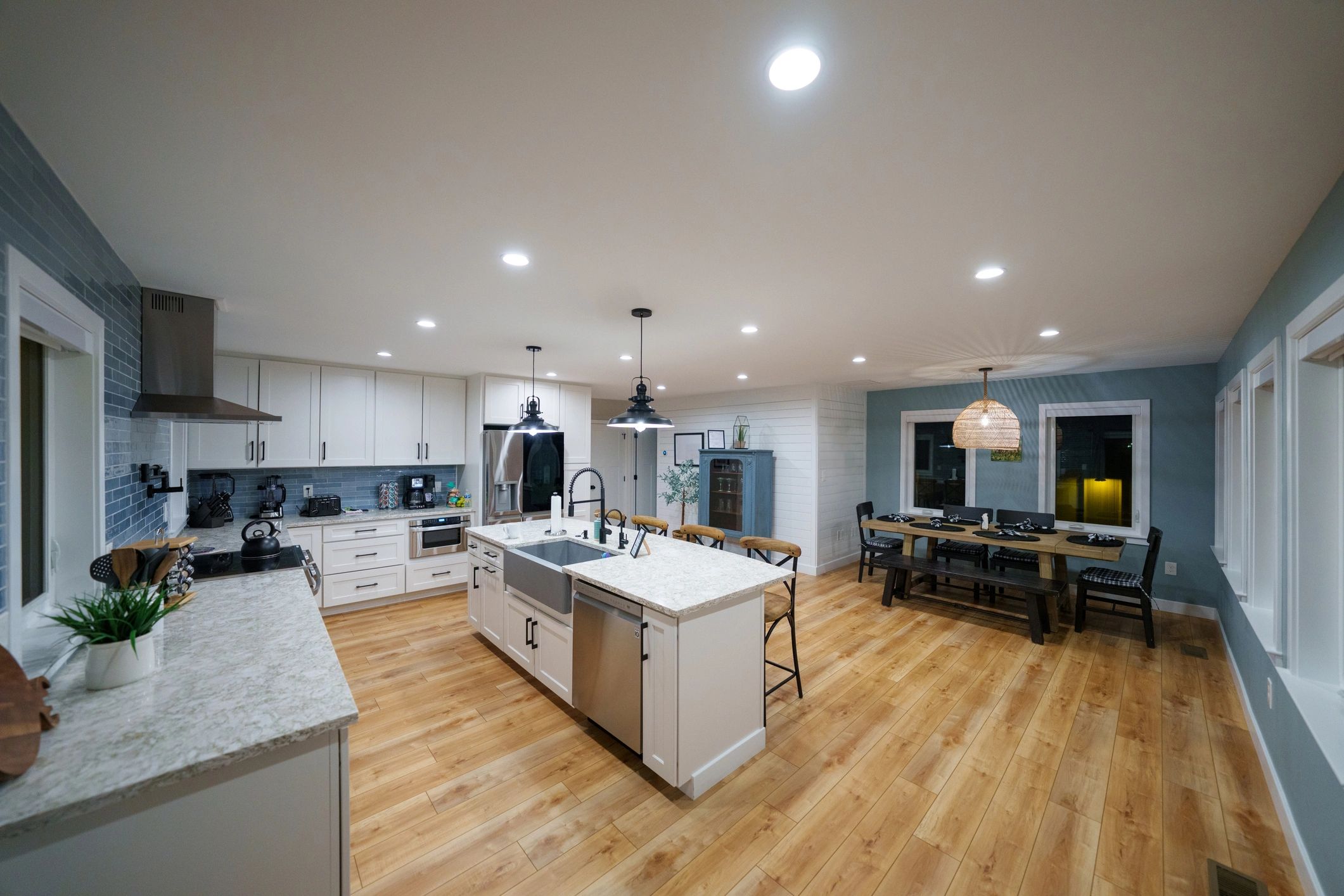
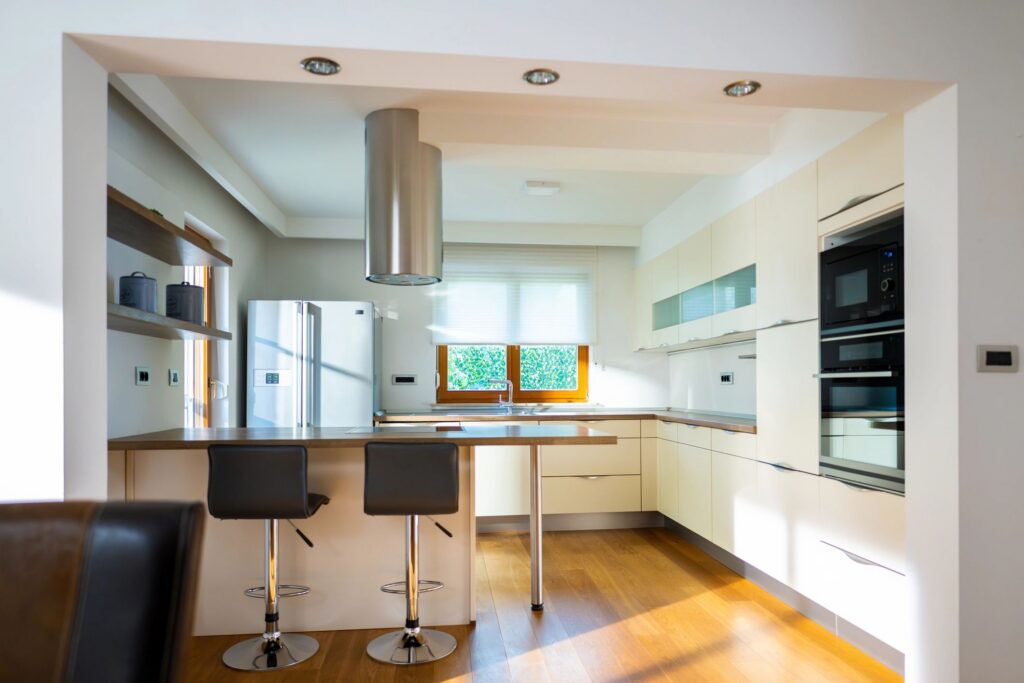
    Updated kitchen interior representing remodeling and property upgrades for North Texas homeowners
    Modern kitchen upgrade inspiration for remodeling projects across Dallas-Fort Worth, Rockwall County, Collin County, Kaufman County, Hunt County, and North Texas.

    Typical Phases of a Kitchen Remodel in Dallas-Fort Worth

    • Initial consultation and scope planning
    • Design selections and material decisions
    • Demolition and site preparation
    • Rough-in work and structural adjustments if needed
    • Cabinet, countertop, flooring, and finish installation
    • Final walkthrough and punch-list completion

    Common Questions Homeowners Ask

    • How long will the kitchen be out of service?
    • What decisions need to be made before work starts?
    • How do change orders affect the schedule?
    • What upgrades add the most practical value?

    These questions matter because they shape both the budget and the day-to-day experience during construction. In addition, a professionally managed remodel keeps communication clear at every phase. As a result, you’ll always know what to expect — and what comes next.

    Focus on Function and Durability

    A beautiful kitchen still needs to perform. In North Texas homes, that means durable surfaces, practical storage, and efficient lighting. The layout should also fit how your household actually lives. This matters especially for a kitchen remodel in Dallas-Fort Worth. Families gather here daily — the kitchen is the heart of the home. Furthermore, according to the NKBA, kitchen remodeling consistently ranks among the top home improvement investments for return on value.

    Want to learn more? Visit our Kitchen Remodeling page. You can also explore our full suite of Remodeling services for whole-home renovation projects.

    The most successful kitchen remodels balance design vision, practical function, and disciplined construction planning. The result is a finished space that looks stunning and performs flawlessly for years to come.

    Ready to Plan Your Kitchen Remodel?

    Apex Point Services partners with North Texas homeowners on kitchen remodeling projects. We bring quality craftsmanship, transparent communication, and reliable project management to every job. Whether you’re searching for kitchen remodel Dallas-Fort Worth expertise or just starting to explore, our team is ready to help. Contact us today to start planning your project.